Video surveillance or video protection: what’s the difference?

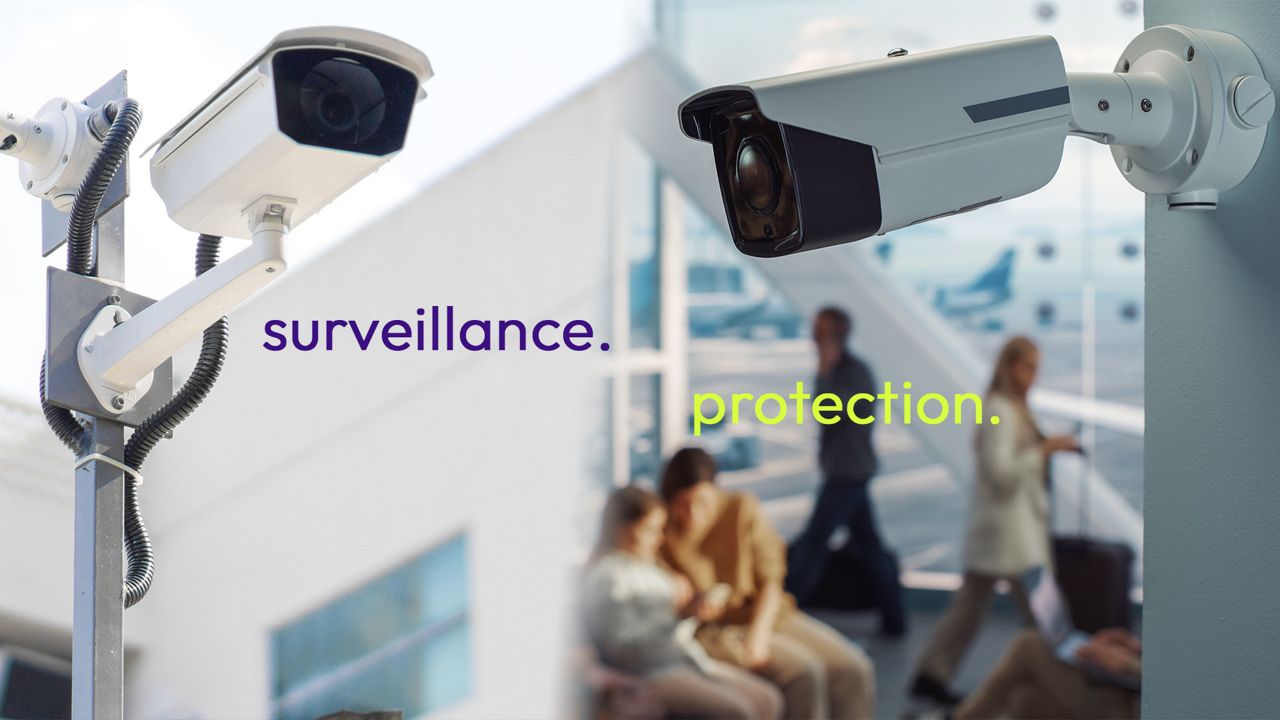
Video surveillance or video protection - whatever term you use, you are still answering the same question: how do we use cameras in a smart, responsible way to protect people, assets, and operations?
Why the difference between video surveillance and video protection matters to you?
Across countries and industries, you will see different terms: CCTV, video surveillance, video protection, video management. The details vary, but the stakes are the same: you want cameras used lawfully in both private and public spaces, and a system that actually helps your teams react when something happens. Clear language makes it easier to explain your choices to management, regulators, and everyone who uses your sites.
Private spaces: video surveillance in practice
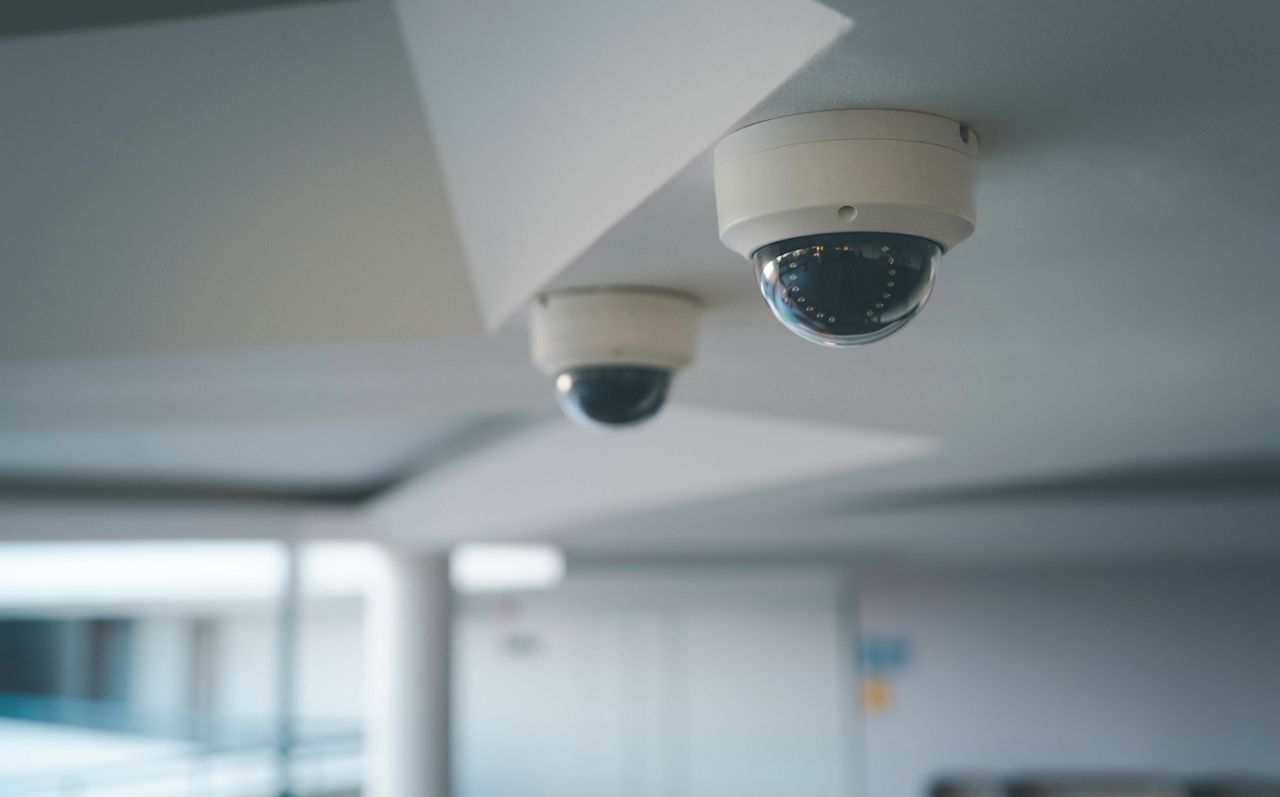
In most contexts, “video surveillance” describes cameras installed in non-public areas: offices, warehouses, industrial plants, car parks, shops, data centers, or research labs. Cameras capture images continuously or at defined times, send them to screens or mobile devices for live viewing, and record them for investigation and evidence.
If you manage these systems, you also manage expectations. People want safer workplaces and sites, but they also expect their privacy to be respected. That means:
- Being transparent about where and why you use cameras
- Respecting rules on where you cannot film (changing rooms, break areas, certain staff-only zones, depending on local law)
- Protecting the data you collect and storing it only as long as you genuinely need it
In many organizations, video surveillance does not stand alone. It becomes far more useful when you connect it to access control and intrusion detection, so alarms trigger the right cameras and operators see the right images immediately.
Public spaces: video for protection and reassurance
When cameras monitor public areas, city streets, transport hubs, public buildings, stadiums, campuses, people often talk about “video protection” or “public space CCTV”. The objectives are slightly different: you are supporting public safety, helping law enforcement, and reducing the feeling of insecurity in busy or sensitive places.
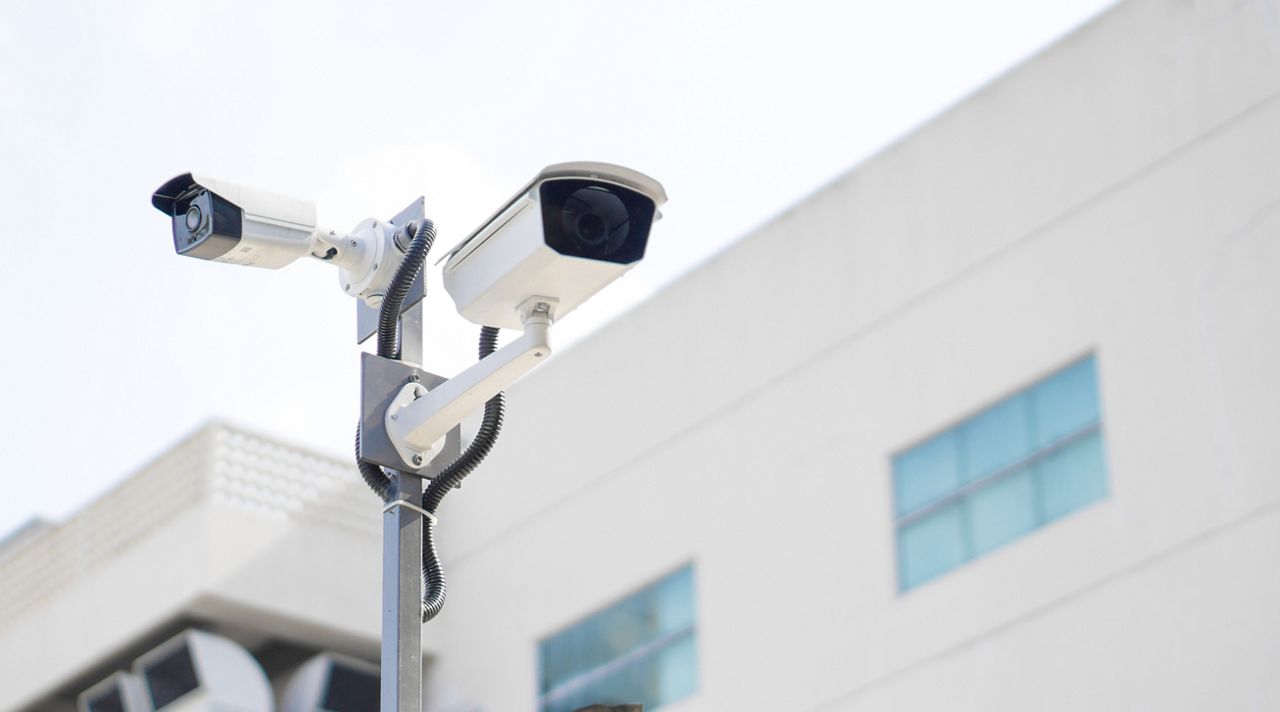
Because these cameras capture large numbers of people going about their lives, the legal and ethical questions become even more visible. You need clear rules on authorization, retention periods, access to footage, and signage, plus strong governance so you can show your community that the system protects them without turning into constant, uncontrolled surveillance.
At a glance
If you want a quick way to explain the difference inside your organization, you can use this simple overview:
| At a glance | Video surveillance (private) | Video protection (public) |
| Where it’s used | Inside private sites and facilities | Streets and other public spaces |
| Who manages it | Private organizations | Public authorities or city services |
| Main objective | Protect assets, staff, and operations | Support public safety and reassurance |
One fast-growing layer in your security strategy
Video surveillance and video protection, serve different spaces and answer different rules - but they share the same ambition: giving your teams the visibility they need to act when it matters most. Camera-based monitoring is now a central part of most physical security programmes, and recent years have only accelerated that trend.
Modern video systems do much more than record footage. When you integrate them into a total solution, combining access control, intrusion detection, video management and more, you give your teams a single, real-time view of what is happening on site, with alerts that help them act faster and more confidently.
What a total solution adds to your video security?
Cameras are most powerful when they are part of a bigger picture. A total solution for critical infrastructure connects video with your other systems, so they all work together instead of in silos. That means:
- One platform to view cameras, alarms, and access events across multiple sites
- Automatic camera pop-ups on alarms, so operators see what matters first
- Consistent procedures, reporting, and evidence handling across your organization
Once your teams are clear on the roles of private video surveillance and public video protection, it becomes much easier to design one coherent approach. A unified, total solution that brings together video, access control, and intrusion detection gives everyone the same live picture of what is happening - whatever type of environment you protect.
Ready to see how this could work in your world? Talk to our specialists about ALCEA’s total solution and discover how integrated video, access, and intrusion can strengthen your security today, and keep you ready for what comes next.