
Safety and Security: What’s the difference and why it matters?

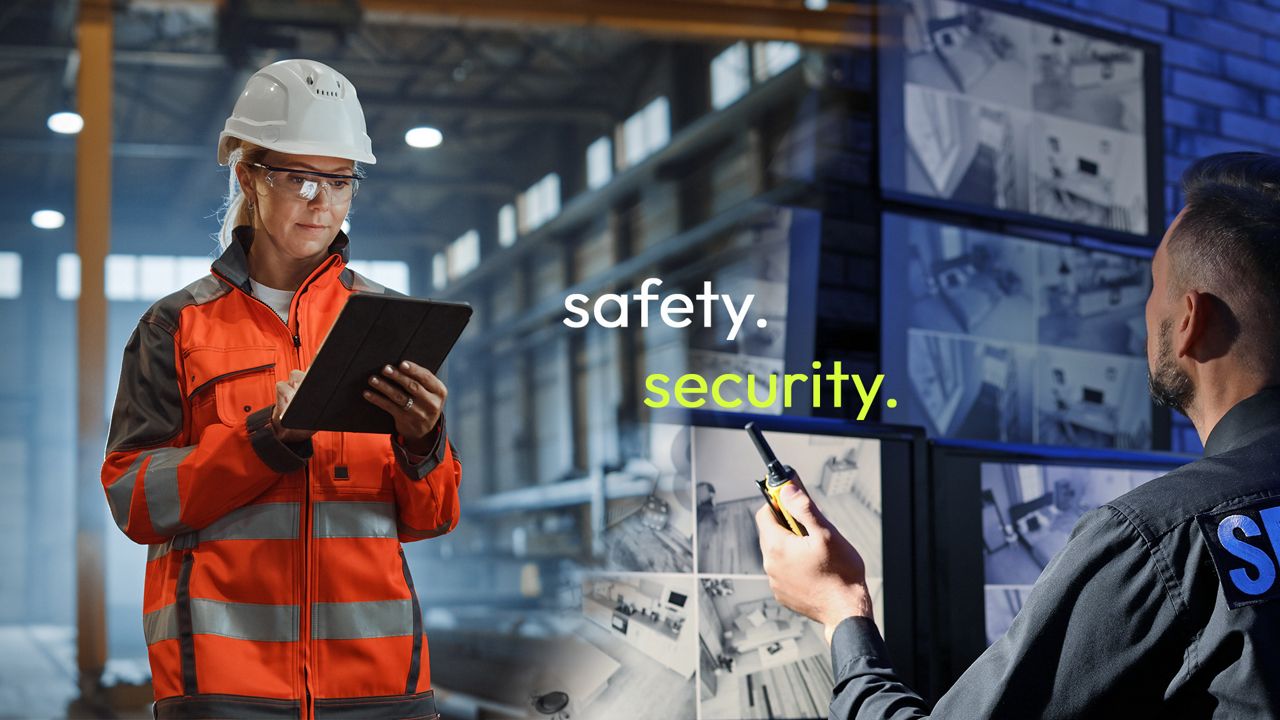
Safety and security are two sides of protecting your world - but they don’t cover the same risks. If you look after a critical site, understanding that difference helps you make better decisions every day.
Why the difference between Safety and Security matters to you?
Understanding whether an incident is a safety or a security issue is essential to respond effectively and prevent it from happening again. Regulators and the people who depend on your operations will all ask the same question: why did this happen, and what are you doing to stop it next time? Getting that answer right starts with a shared, clear understanding of what you are actually dealing with.
Inside your organization, using the same words in the same way makes that job easier. It helps you explain risks to leadership, justify investments, and bring operations, IT, and security teams around one table.
Safety vs security in plain language
Think of safety and security as two simple questions you ask yourself.
Safety asks: “What if something goes wrong by accident?”
It covers unintentional harm - from technical failures, human error, or natural events. Fires, leaks, process incidents, falls, or storms that hit your site all sit on the safety side.
Security asks: “What if someone wants to harm us - and knows how?”
It covers intentional harm - theft, vandalism, sabotage, cyberattacks, terrorism, and any attempt to gain unauthorized access or disrupt your operations on purpose.
Both matter just as much. One is not “more important” than the other. Together, they decide how resilient your organization really is.
How you see it on your sites?
On a critical infrastructure site, safety and security are part of your daily reality.
You might think of safety when you review:
- Industrial accidents in hazardous zones
- Unintentional fires in storage or waste treatment
- Equipment failures that put people at risk
- Weather events that threaten a Seveso site or other sensitive installations
You probably think of security when you assess:
- Intrusions into hospitals, control rooms, or data centers
- Theft of sensitive equipment, media, or data
- Sabotage of systems that keep your site running
- Deliberate fires, bomb threats, or attacks in public areas
And then there are the cases that sit in the middle: a cyberattack on an industrial control system is clearly a security incident, but its consequences - for people and the environment - are safety issues.
Different rules, same responsibility
Regulations often treat safety and security differently. Your responsibility does not.
- Safety usually comes with detailed rules, audits, and standards around fire protection, worker protection, and industrial risk.
- Security is sometimes less tightly defined in law, but you are still expected to take reasonable measures against foreseeable threats in your sector.
In practice, you need a joined-up view. People on site do not distinguish between “safety equipment” and “security equipment”. They want to know that they can work, travel, and live around your sites without fear, whether the danger comes from inside your processes or from outside attackers.
Plan safety and security together
When you plan a new project or upgrade an existing site, it pays to think long term.
- Start from what matters most: the people, assets, and processes you cannot afford to lose.
- Map both unintentional and intentional risks: from equipment failure to targeted intrusion or cyberattack.
- Look for solutions that talk to each other. A single platform for access control, intrusion detection, video, and alarms gives you one clear view of events, instead of separate systems and blind spots.
This integrated view makes your teams faster and more confident in a crisis, keeps the door open to future technologies and new types of data from the field.
A simple way to remember
You can use this table in your next training session or management presentation to anchor the difference.
| Aspect | Safety | Security |
| Main goal | Protects from accidents and incidents | Protects from attacks, crime, and misuse |
| Type of danger | Unintentional danger (errors, failures, nature) | Intentional danger (malicious human acts) |
| Typical examples | Fires, spills, equipment malfunction, storms | Theft, sabotage, intrusion, cyberattack |
| Typical measures | Helmets, fire alarms, safety procedures | Locks, guards, access control, passwords |
| Direction of risk | Often “from inside out” - when systems or processes fail | Often “from outside in” - when someone tries to break in or cause harm |
| Key question to ask | “How do we prevent accidents?” | “How do we prevent attacks?” |
When your teams share this simple picture, it becomes easier to build the right strategy, choose the right partners, and invest in solutions that keep your organization both safe and secure - today and in the future.
Ready to take the next step? Talk to our specialists about how a single, integrated platform can strengthen both safety and security across your operations and keep you prepared for what comes next.