Shared infrastructure, shared responsibility: Rethinking access in UK Telecom

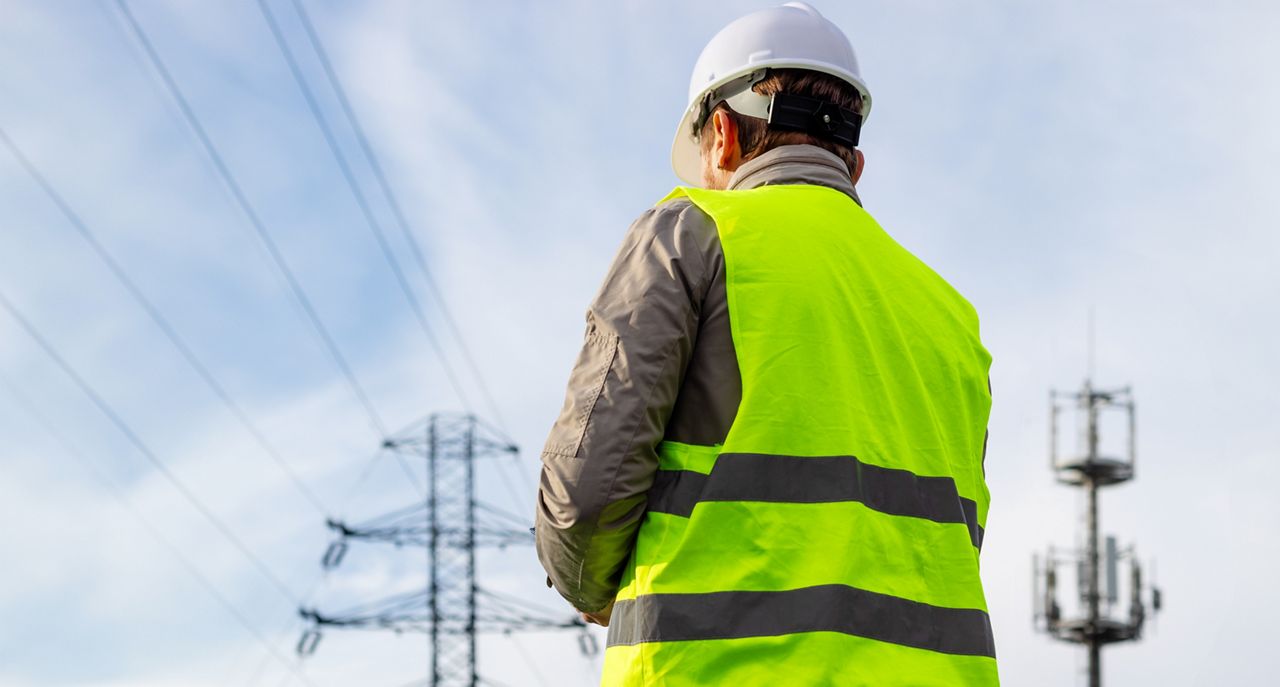
As more telecom operators work around the same cabinets, poles, and underground sites, access has become a central part of keeping networks secure and operational. The challenge today is not only protecting critical assets, but doing so in a way that allows technicians and contractors to carry out their work without delays or disruption.
A changing landscape for UK telecoms
Shared infrastructure is increasingly shaping how UK operators build and scale networks. Openreach’s Physical Infrastructure Access (PIA) programme, together with a new infrastructure-sharing initiative led by INCA and participating altnets, gives operators access to existing ducts, poles, and dark fibre. This accelerates deployment while reducing duplication and environmental impact. (INCA Infrastructure Sharing - inca.coop)
But shared assets also introduce shared complexity. Multiple organizations, subcontractors and maintenance teams may require access to the same site on the same day. Coordinating that access, safely, consistently and without delays, is now a critical part of operational security.
Physical and electromechanical keys, including ABLOY PROTEC2 CLIQ, remain proven and widely used. Yet in shared environments, the logistics around keys can become the barrier: handovers, unplanned returns to site, and limited visibility into who accessed what, and when.
The challenge isn’t the lock. It’s the coordination that surrounds it.
Where digital access supports daily operations
Digital access solutions can complement existing key systems by enabling time-limited, traceable access that matches the pace and complexity of shared infrastructure. They provide flexibility and visibility that traditional key management cannot easily offer on its own.
In shared networks, operational efficiency isn’t the result of one major change, but of many small improvements that remove friction from everyday work. Here’s where digital access makes the difference:
- Access delivered directly to technicians, removing the need for key pick-ups or handovers.
- Permissions that adjust as plans change, reducing unnecessary site revisits.
- Automatic audit trails, showing exactly who accessed an asset and at what time.
- Faster incident response, with temporary access issued within minutes.
- Consistent, controlled processes across multiple operators and contractors.
These changes don’t add new complexity, they simply remove the small points of friction that often slow work in shared environments.
When access aligns with the workflow
Digital access becomes especially effective when integrated with existing operational tools. Permissions can be linked to work-order or ticketing systems, ensuring access rights reflect approved tasks and are revoked once the work is completed.
Access points, whether cabinets, manholes or technical rooms . can also be associated with specific assets, supporting clear oversight of activities across distributed sites. And with secure offline unlocking, fieldwork continues smoothly even when connectivity is limited.
This is not about changing how teams work. It’s about letting access follow the operational flow already in place.
ALCEA’s role in unified security management
Access is only one part of the equation. Telecom operators also need situational awareness across large, distributed estates.
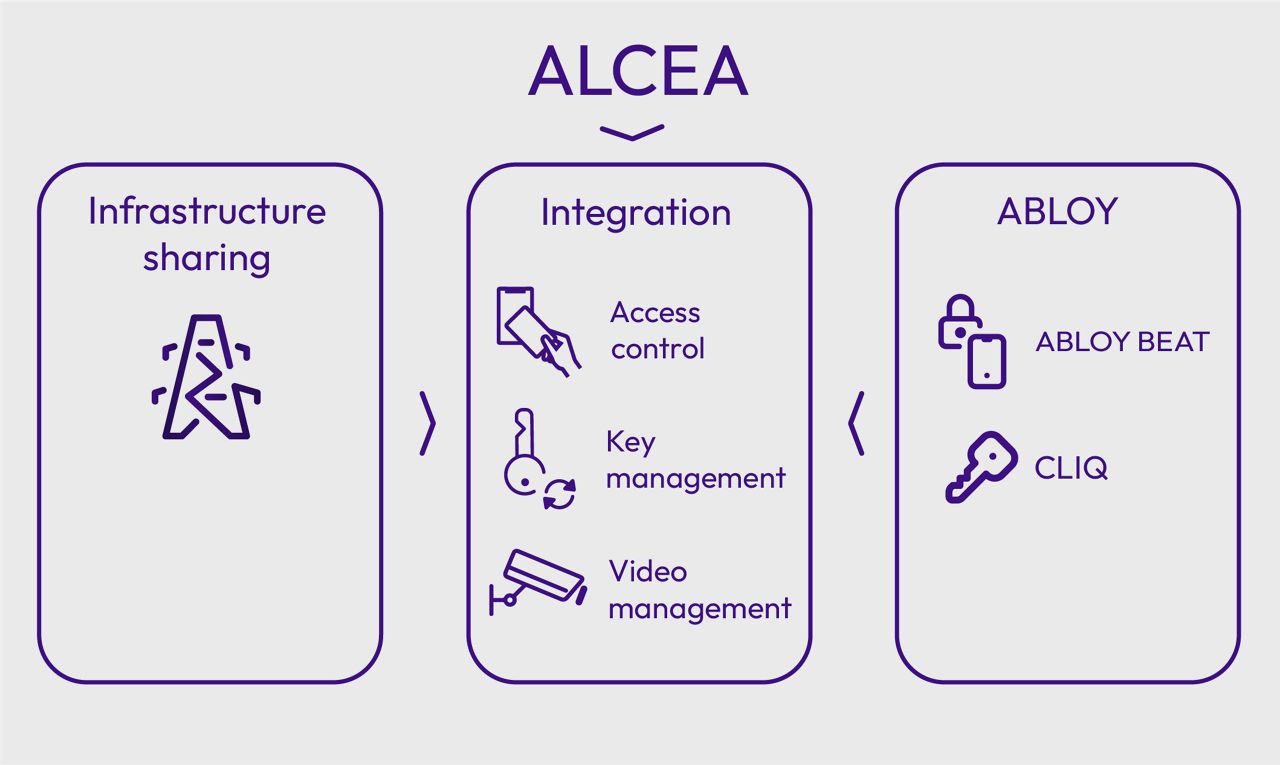
ALCEA’s ALWIN platform brings access control, intrusion detection, and video monitoring together into a single, coherent view. Operators gain real-time alerts, remote provisioning, and GDPR-compliant data handling, whether the system is deployed in the cloud or on-premises.
Combined with ABLOY BEAT and CLIQ solutions, ALWIN supports a modern, unified approach to managing shared sites: one that strengthens protection while simplifying daily coordination.
What operators stand to gain
- More predictable field operations and fewer delays
- Clear, auditable visibility of activity across shared assets
- Faster response during incidents or service interruptions
- Reduced administrative overhead
- A consistent and scalable access model that works across multiple organizations
Together, these improvements help operators maintain service commitments, reduce unnecessary travel, and keep work on schedule, even when multiple organizations rely on the same infrastructure.
Ready to strengthen access across your shared telecom sites?
See how ALCEA supports secure, auditable access and operational control across complex telecom environments. Discover ALCEA’s telecom solutions